
I want to share lessons and run rules that we learned and created to manage my Chronic Exertional Compartment Syndrome (CECS). I spent about 10 years working with Sports Doctors, Physical Therapists and Athletic Trainers to gain knowledge of how to take care of my muscles without corrective surgery. As a result, I have been able to compete on running teams and corporations and avoid surgery. In reading the horrific stories due to complications from surgery, I’d like to share my story. Personally, I have been burned by medical ideas and procedures that changed my path in life and I want to share a different approach for treatment of CECS.
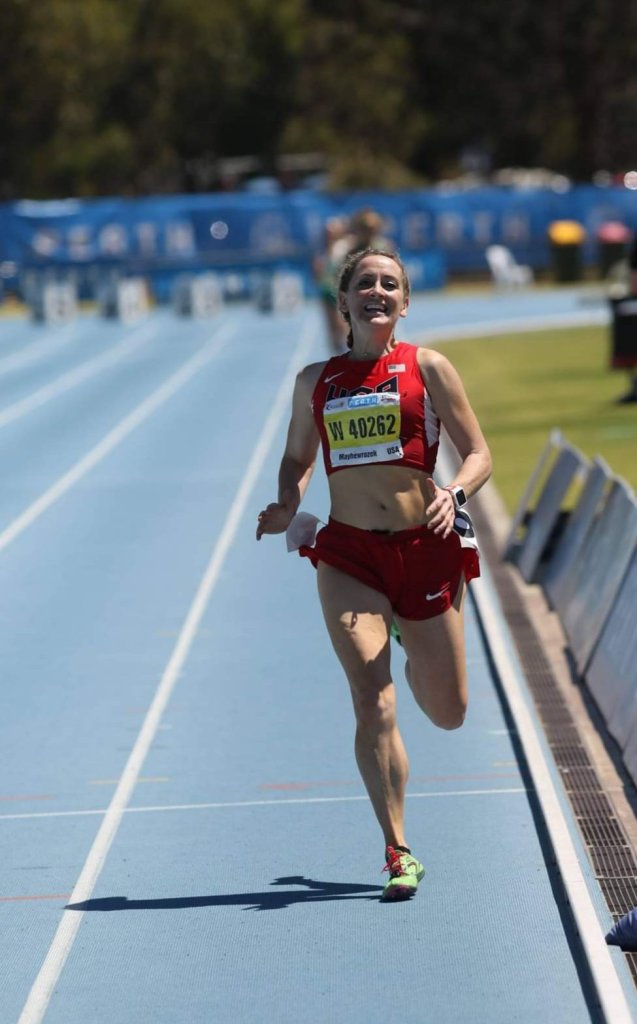
When I was diagnosed with CECS, my doctor uttered the very words that athletic folks, like me, dread. He said that my calf muscle was not only undergoing CECS, one was pulling off of the bone. I had a stress fracture. He told me to go home and rest… nothing more. Then, I spent months upon months limping around without knowledge of how to change my situation. It was embarrassing, my coworkers rolled their eyes when they saw me coming down the halls. They joked with me that I was faking my pain!
A family member encouraged me to see help through a Sports Clinic. I gave in. Within a 3 months, I was back to running! I won’t get into all of the steps that I took to get back into racing spikes. That journey was specific to me. I will share my opinion that Sports Clinics are not created equal to General Health Clinics. Their focus is getting folks back on their feet with a recipe of first a Sports Doctor to diagnose the condition, then a sports Physical Therapist that specialized in my favorite sport, then a Athletic trainer specialized in my favorite sport to get you back to your sport. Then, you can continue to use an Athletic Trainer specialized in injury prevention to help you enjoy life.
My Goal was to seek to understand triggers for CECS…
In my quest, I wanted to understand what caused CECS flares and avoid surgery. Long story short, I found that if I managed the muscles with various rules, I could stave off the CECS and keep it in the dormant state. If I faltered in the care of my muscles, the symptoms came back within a week and gradually got worse to the point of being unable to walk.
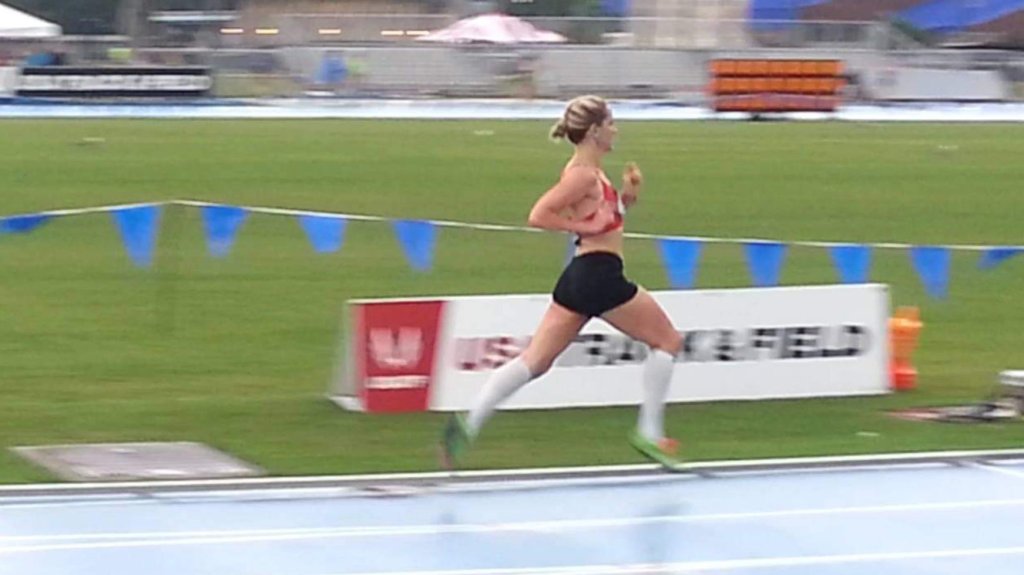
A theory as to why my calves were susceptible to CECS was that my Muscle/ sleeve radial pressure balance were maxed out. I had massive calves that nearly matched the circumference of my upper quads. It seemed as if there was no margin for fast growth, trauma, or fat.
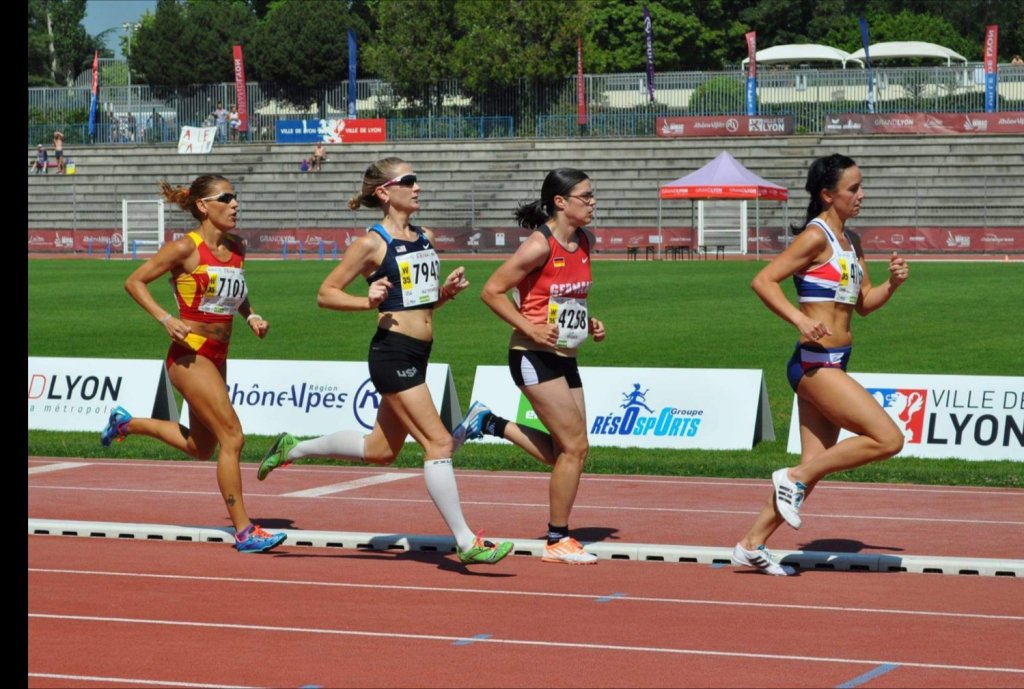
To this day, I question that theory.
Instead, I found that quick weight loss would alleviate the symptoms. In contrast, they came back even if I were at my ideal race weight, if I stressed the lower leg. Interestingly, that placed question on the big calf theory…are they really too big? Or do they hate trauma?
The second factor that we aligned on was that the anatomy of my leg included a short calf length. That meant that I could not increase flexibility of the calf. In addition, they would instantly flare if another muscle or ligament group pulled on the calves. Those groups included the ligaments in the foot, hamstring, back and neck. As a result, I needed to ensure all those groups remained loose and pulled straight through repetitive stretching and strength training. This theory seemed likely to influence calf health.
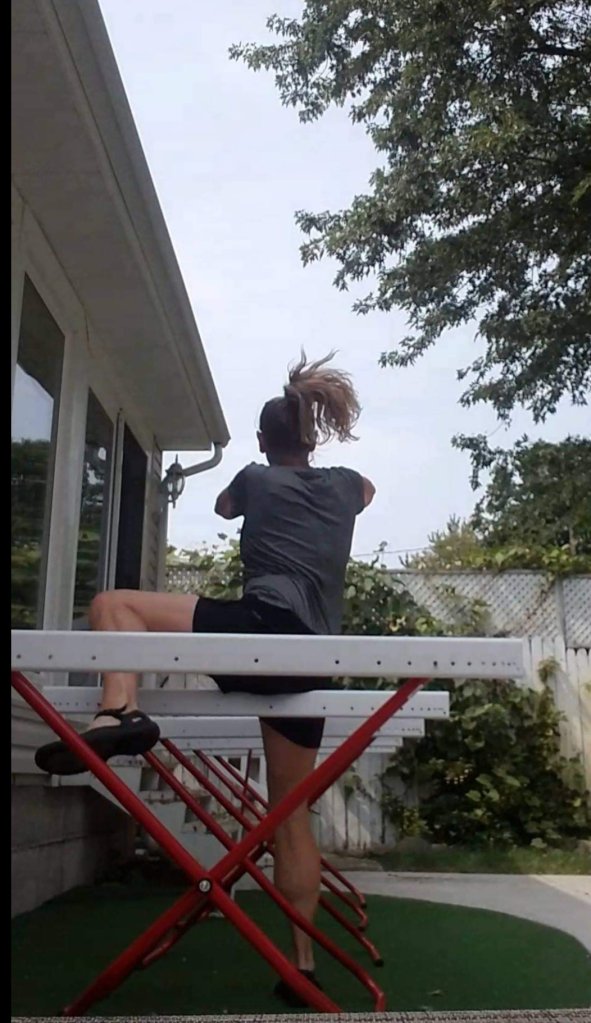
Lastly, we found that there were stages and warning signs. We created a set of 5 Phases to classify the seriousness of the pain. In a classic sense, the CECS appeared in, what I call Phase 5.
Phase 0 No Pain
Phase 1 Some Knots/ Tightness
Phase 2 Very Tight Calves- must wear shoes with a lift because each step was painful
Phase 3 Calfs woke me in the middle of the night, throbbing
Phase 4 Shooting Pain at random intervals, some numbness in the foot
Phase 5 CECS- Nerve, blood vessels constricted, could not walk due to foot numb
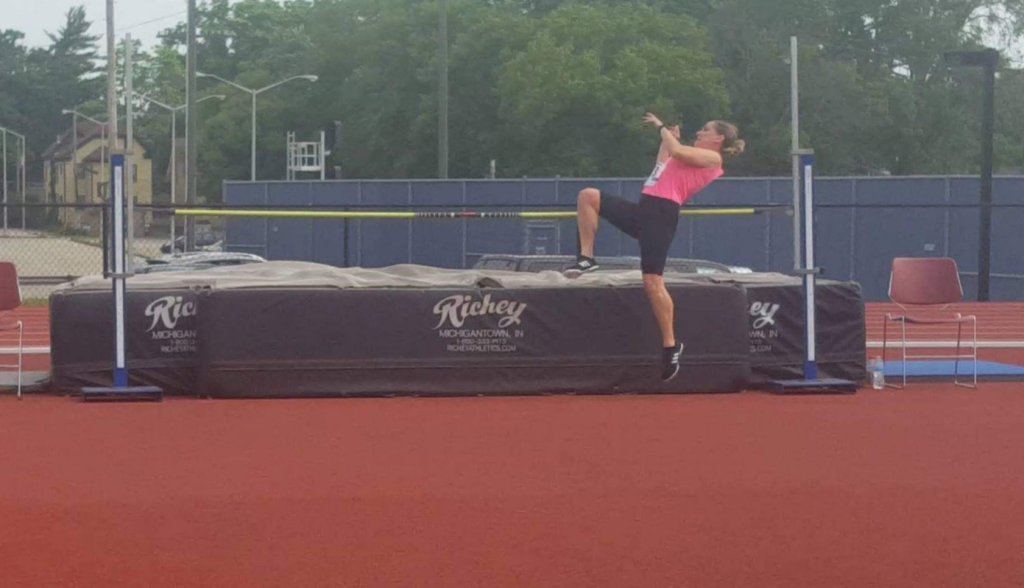
Below are the Top 10 Lessons that I live by. As a result, I have been able to remain in the Phase 0-3 and remain competitive in Masters Track and Road Racing.
Lesson #1) Verify Loose muscles Daily- Intense search 1x/week
1) Prevention went a long way. I had to verify the muscles were loose on a regular basis. I started every day with about 5 to 10 minutes of stretching in a hot shower. Those stretches were provided by the Sport Physical Therapists and or Athletic Trainers.
2) If muscles were extremely tight and sensitive to touch in Phase 3 or higher, I would reach for Ibuprofen and take it for 48 hrs to break up the cycle of pain if I found that I could not massage muscles that were seriously inflamed. If it was beyond a Phase 3, I would start a 7 day, 24/7 cycle of anti-inflammatory drugs that were recommended by my Sports Physician.
3) Daily, I followed a Stretch Routine: My AT explained that I needed to go for a 80% stretch— hold it for 30-60 seconds/stretch and repeat the stretch 3 times. If the muscle was not tight, I skipped stretching it. In addition, I had to realize that some common muscle groups could not be stretched. I had to use pressure from my hands or a roller to compress the muscles and enable a stretch.
4) Vibration- I attained a massager from my local Pharmacy for about $40 and ensured that it was always handy. I found that if I massaged the center of the muscle and stayed away from ligaments and joints, it prevented and treated the pain. I also started a habit of checking over my other major muscle groups on Sundays to look for potential spots that are not complaining yet. I would run the massager over the muscles and search for tight spots that I needed treatment.

5) Myofascial release- My favorite type of massage was to find the hot spots and apply pressure to them until I felt them release.
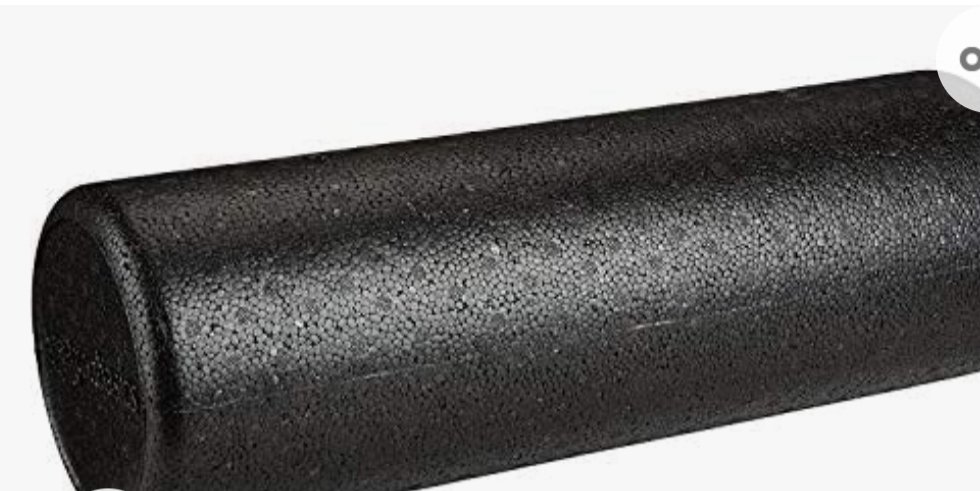
8) Utilized a Roller- It was explained to me that muscles grow in parallel striations. When there is a microtear, the muscle grows irregular, in a grid. By rolling the muscles along the length, they are encouraged to grow in their natural parallel pattern.
9) Whirlpool- Increase blood flow, but often, I needed to follow that with a cold to flush the lactic acid out.
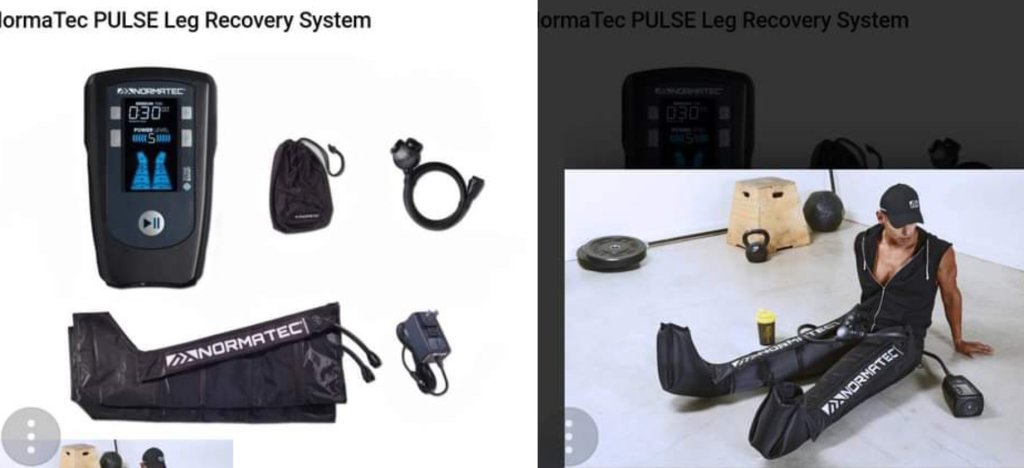
10) Compression pant rental- expensive but these helped in extreme muscle soreness.
Lesson #2 Exercise regime had to include strength to enable balance.
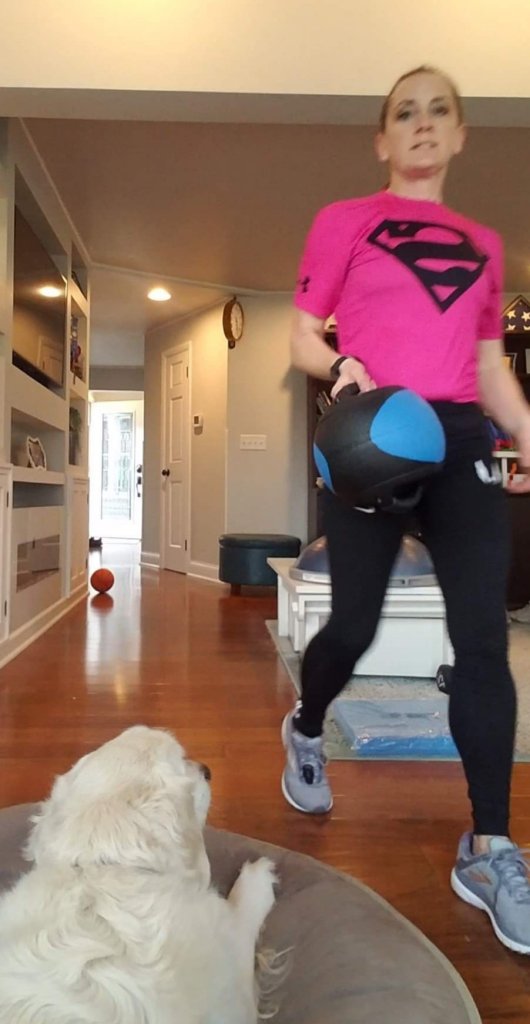
1) I learned from my Masters Track friends that we have to perform strength exercises to stay fit. These enabled the joints to pull at correct angles on joints and enable proper gaits. I worked with my AT to find a set of 13 exercises. I performed them 2x/week. They equated to only 15 minutes a day.
2) I also had to realize that my running plan included a build of intensity that resulted in muscle growth. I have always leaned on a coach to help create these because I did not have those skills. If I skipped days or couldn’t do the plan, I would reset with the coach on a new plan.
Lesson #3 Increased awareness for all minor injuries.
1) I had to learn to address minor injuries immediately. The long-term impact of running on a tight calf could lead to a permanent disability. I had to learn to stop, during the activity, if I felt pain or extreme tightness that did not go away.
2) If the race was major, I would setup an appointment with a AT or PT for their assessment. Interestingly, I have had many PR’s in races that were run on injures. I never made those choices alone but always made sure that I had an expert to help make that decision.
Lesson #4 Run on Treadmills or rubber Track surfaces.
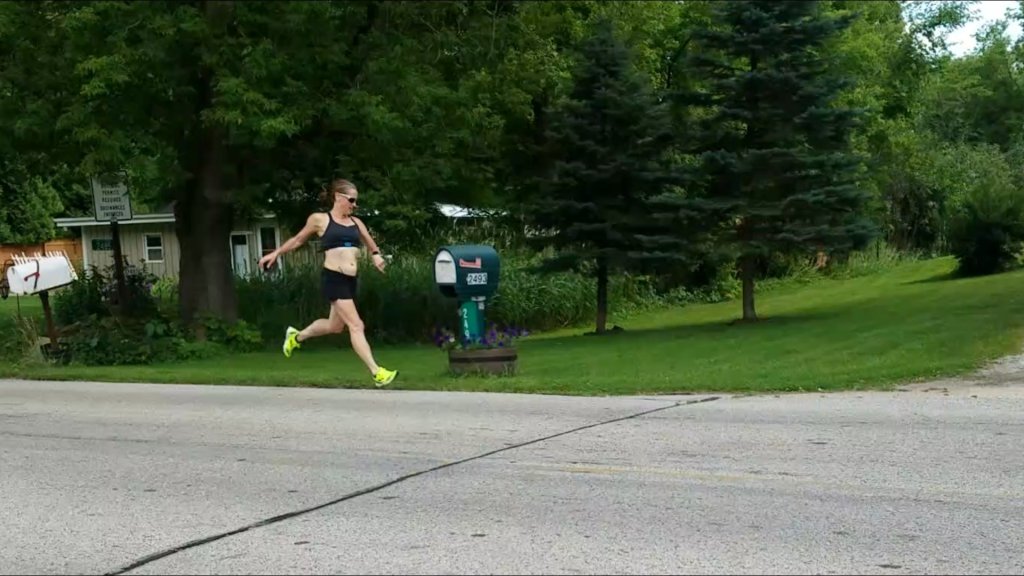
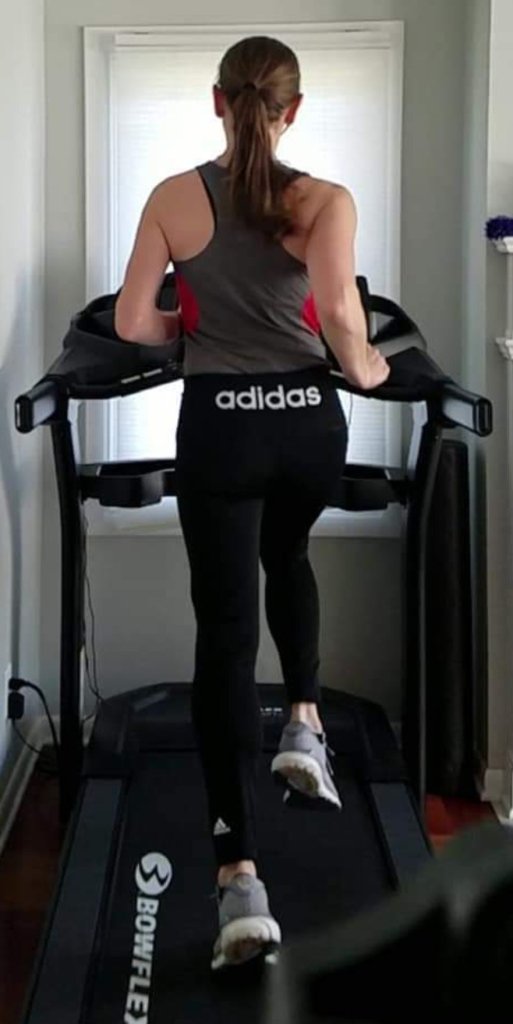
I stopped running on trails and roads. I ONLY ran on treadmills and rubber tracks. The minor changes in surface had too much variation and they resulted in trauma to my legs.
Lesson #5 Nutrition Mattered
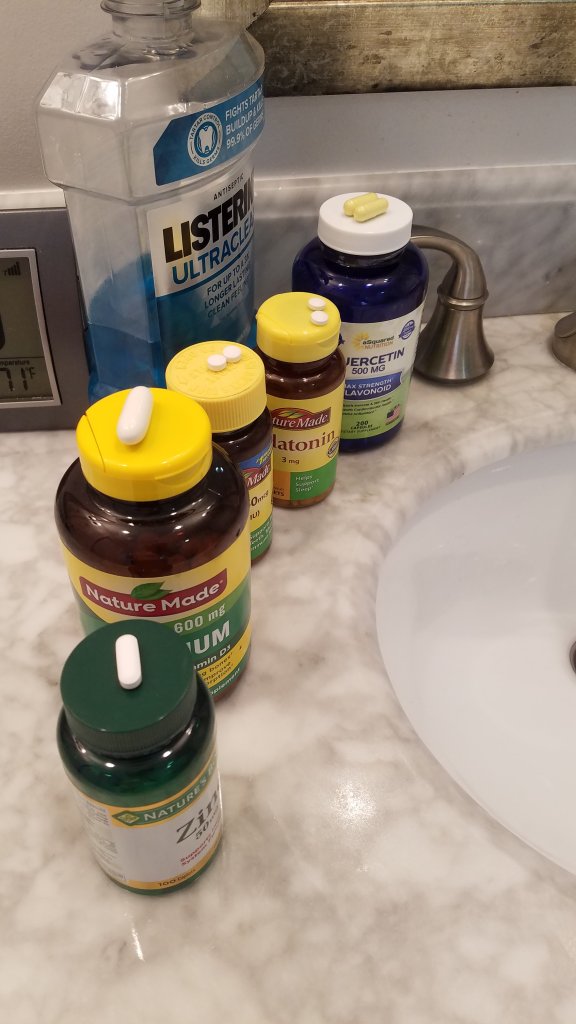
2) I had to learn to replenish muscle deficits that were typically depleted in runners. I also had to ensure that I had timely recovery. In addition I had to ensure those vitamins and protein were available in my body 24/7.
3) I also started taking vitamins such as Calcium/ Vitamin D and Iron throughout the training season. In the heavy season, I took a lot of vitamins and in the off season much less. I worked with my Doctor to manage effects with blood testing during race season.
Lesson #6 Reset Race Goals
1) Re-evaluated my goals. I had a dream to go after a sub 5 min/mile personal record. I re-evaluated the support staff of AT’s, PT’s, sports doctors, sports massage and the cost and time.
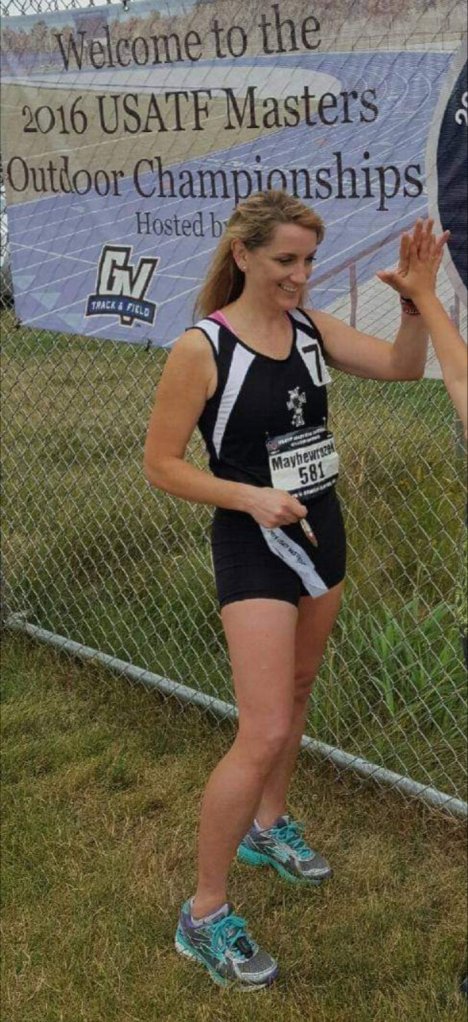
2) Then, I balanced all of those with career, family and changed my goals. My focus changed towards being fit for life.

Lesson #7 No tight apparel
1) Re-evaluated my shoes- A shoe measurement showed that I had a triple wide foot. I had to change out all my day and exercise shoes to triple wide.
2) My running shoes could never be tight, and I had to ensure the laces were loose and the shoe was made for flexing, ex. Mesh. That would enable full blood flow.
3) No tight socks- Oddly with wide feet, I realized that socks were also too tight. They were cutting off my circulation. I had to find socks that were made for wide feet.
4) No tight material on calf- I had to ensure that my calves were never constricted by clothing or tall boots.
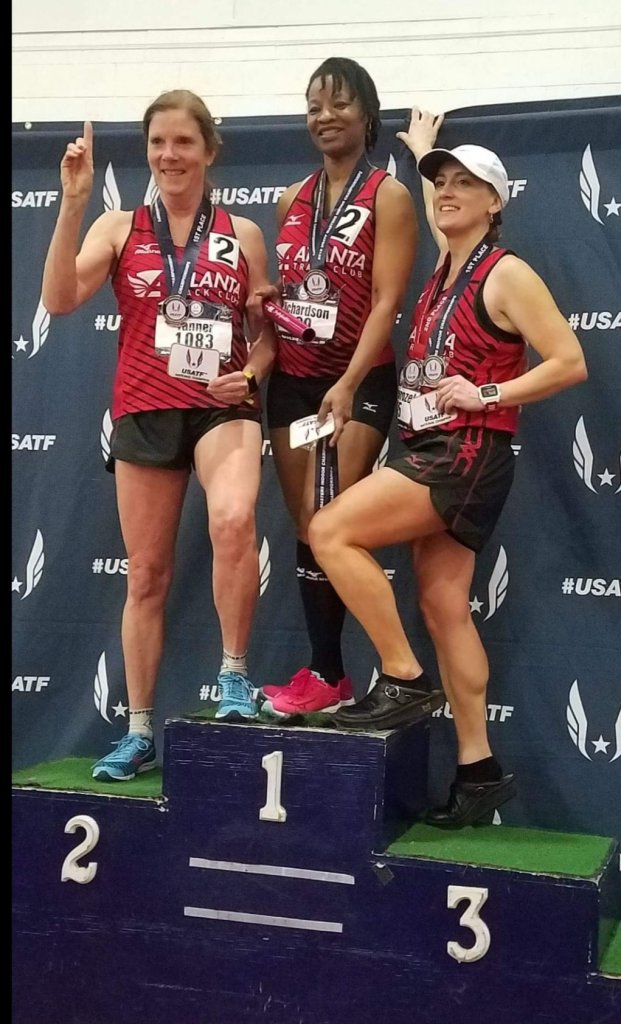
Lesson #8 Warm Up/ Cool Down
1) I had to make time to warm up prior to running. The warmup was complete when I didn’t have tightness in my legs. If I had tightness, I needed to slowly increase the intensity of the exercise. If it got worse, I had to classify that a minor injury and immediately stop and address that muscle or joint.
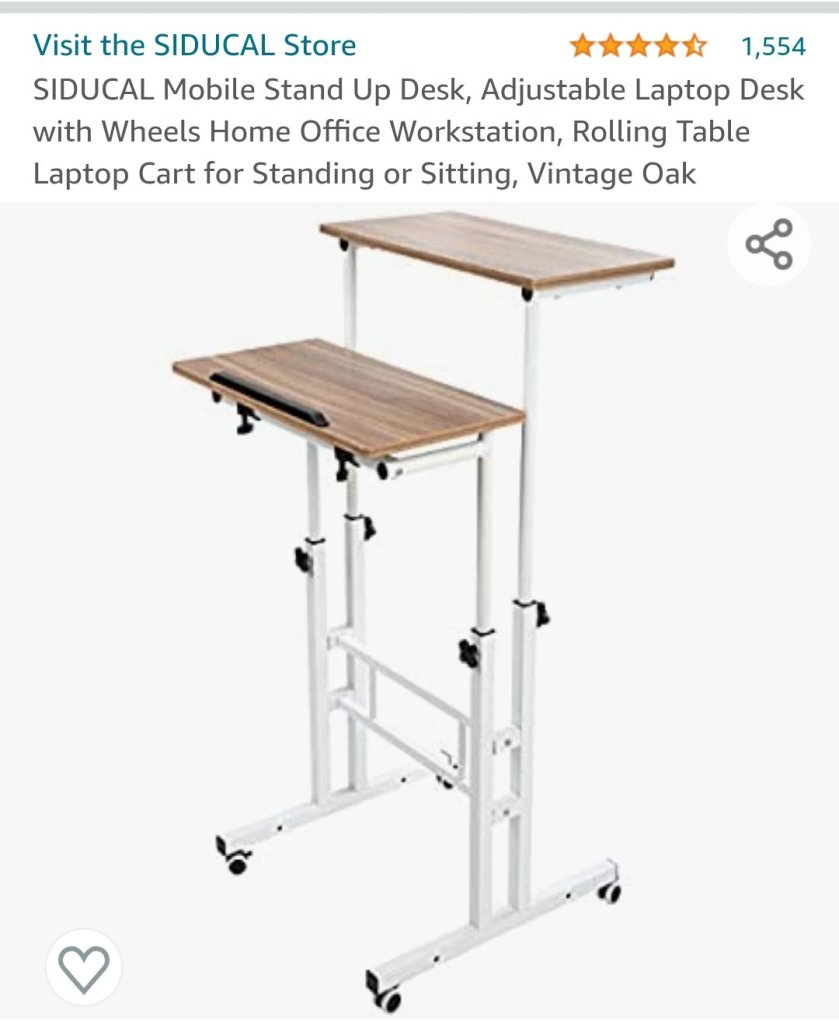
2) I had to make time for cool downs too. If I ran on lunch, I could not sit down and go back to my office job. I bought a standup desk to enable me to stand for about 2 hrs after exercise and prevent my legs from damage.
Lesson #9 Recover via cross training and hobbies- Potentially the greatest preventative
1) I never sit down longer than a few hours or stay on my feet for a few hours each day.
I stumbled on this solution to my symptoms. In one bout with CECS, I had months of pain in my leg. I limped around all summer, but the family wanted to go to a fair. We spent a few hours of milling around and my pain disappeared.
I was miffed and discussed this with this my Athletic Trainer. He verified the pain would only subside if it was a soft tissue. That was the trick for me to prevent CECS! There was my answer! I couldn’t sit around!
a. I picked hobbies that kept me on my feet. In the winter we have snow, so I learned to bake on weekends to stay on my feet. In the summer, I gardened to keep my body moving.
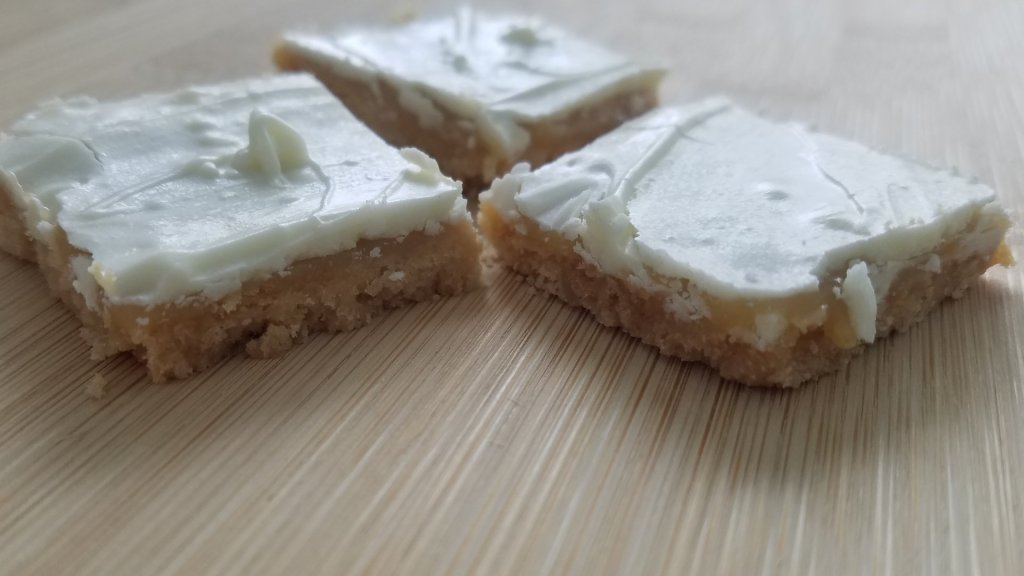
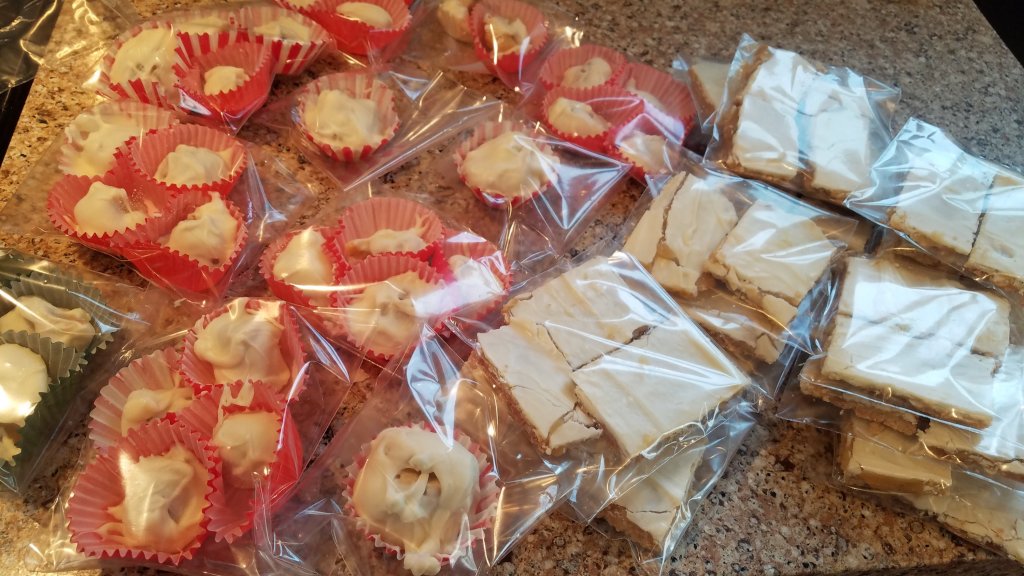
Typical Saturday Treat – 3 hrs on my feet to make Short Bread Bars! My friends love these weekend treats!
b. I tried to keep myself active at least 8 to 10 hrs by staying upright.
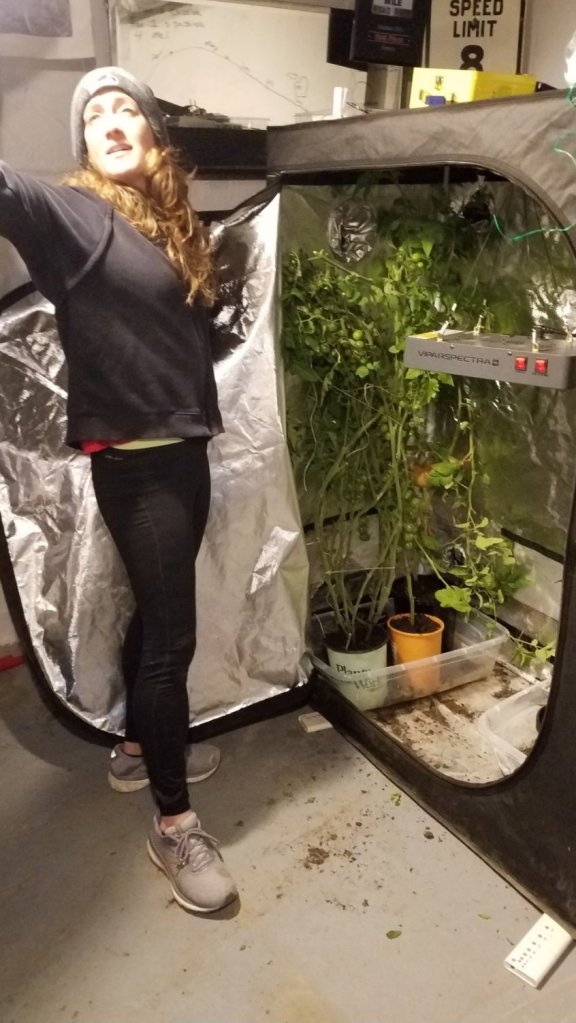
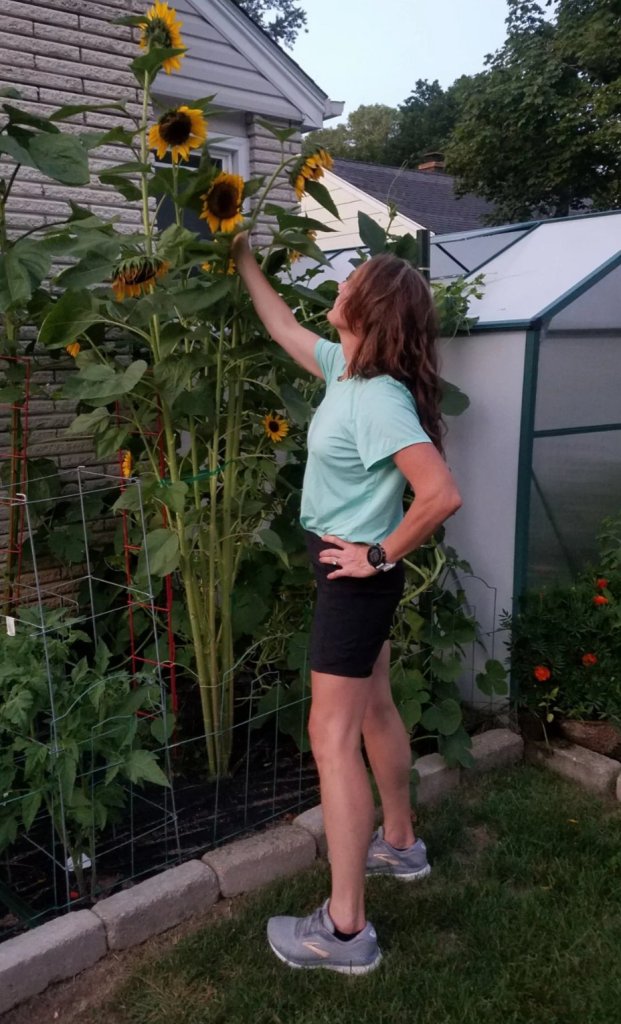
2) When I was first diagnosed with CECS, my Athletic Trainer told me that I needed another sport. I pushed back and finally gave in. I Learned how to swim at my local YMCA. Swimming had a way of increasing circulation and removing lactic acid from harder workouts. I planned those cross-training sessions the day after had workouts to help recover.
3) I stopped activity that fell into the weekend warrior category. I stopped going on long road bicycle rides that I was not fit to do. They only caused me to become sore and were preventing me from progressing on the running plans.
Lesson #10 Enjoy the benefits of Oversized muscles and short shocks.
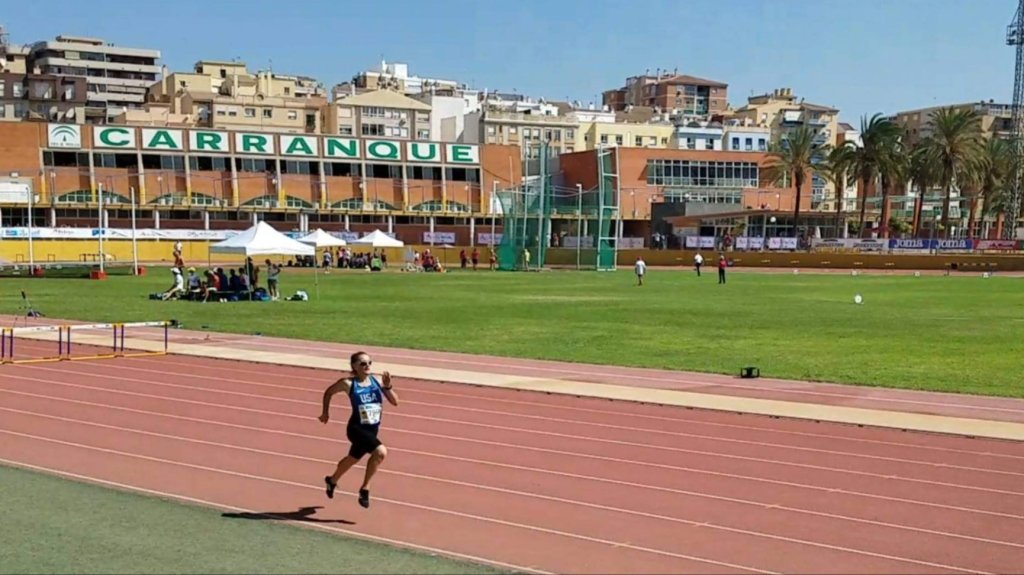
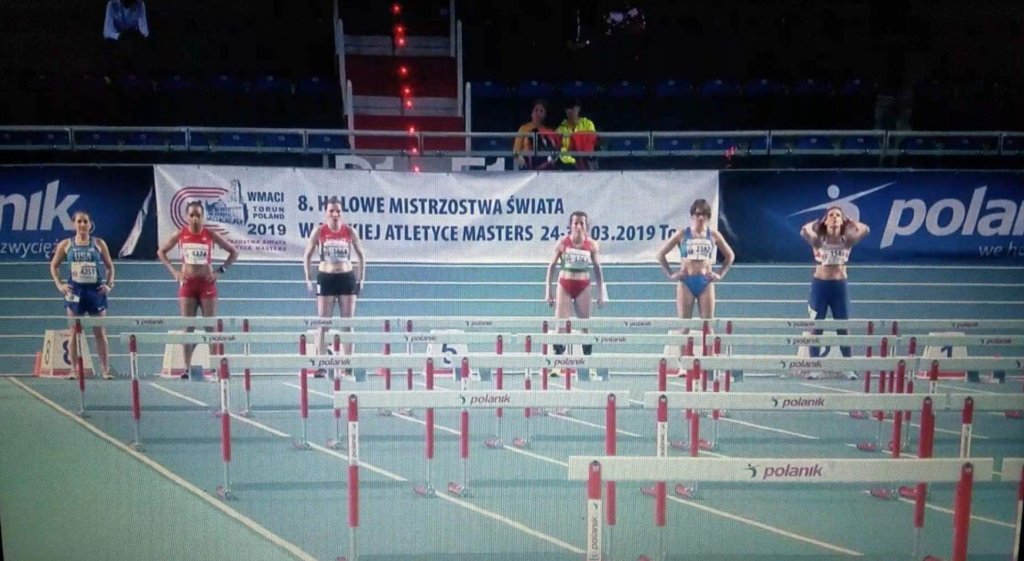
1) I joined racing and track teams to stay motivated. I re-learned how to hurdle and even won a few Championships!
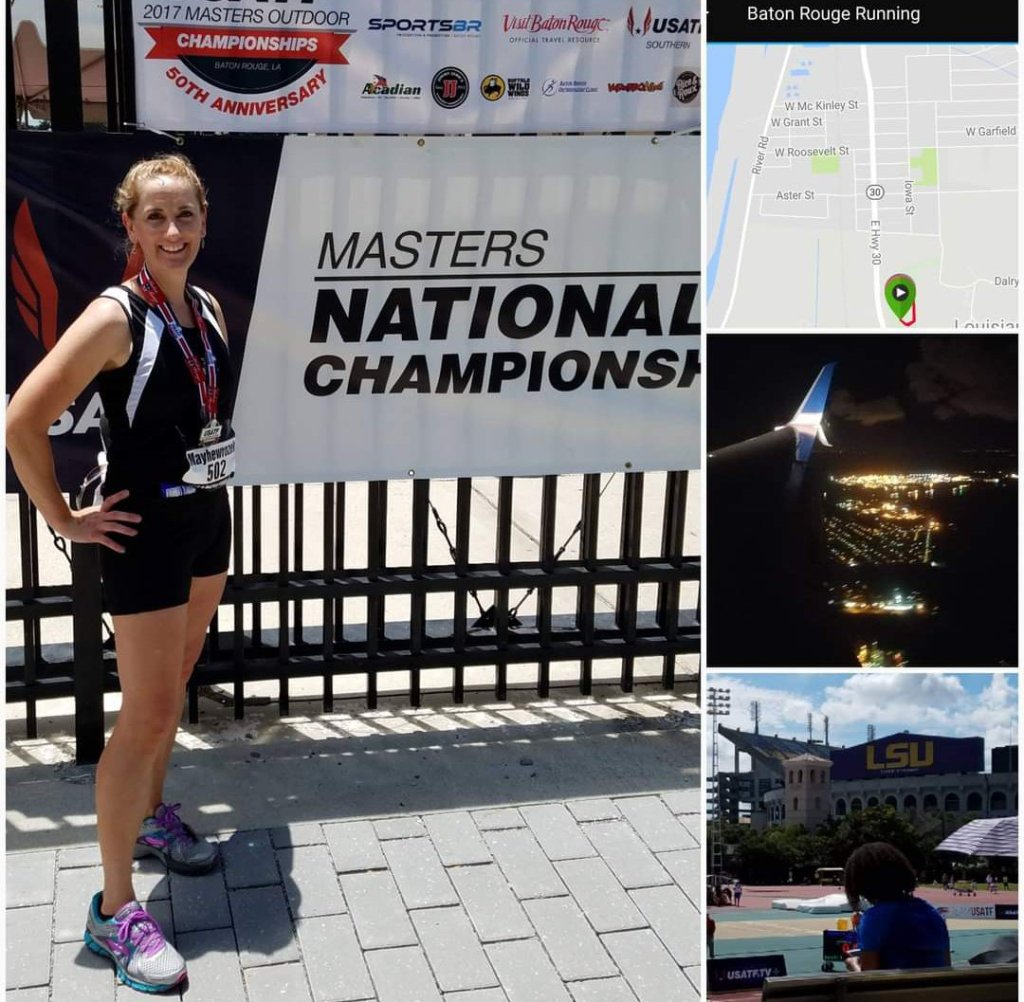
2) I also try to share my story with others that have CECS. If you suffer from this condition and have been able to find ways to increase your mobility, please share! Maybe we can help each other out to increase their enjoyment of life.
 Lake House LLC